
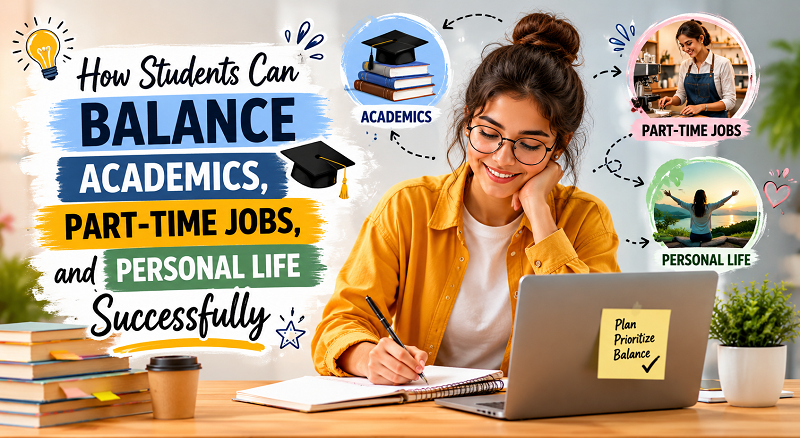
University life is an exciting period full of opportunities for learning, growth, and social experiences. However, it can also be a time of intense pressure, especially when students juggle academics, part-time jobs, and personal commitments. Many learners struggle to maintain a healthy balance, which can lead to stress, burnout, and declining academic performance. Developing effective strategies to manage responsibilities is crucial for maintaining both success and well-being.
Achieving a proper student work life balance is not just about dividing time equally but about prioritizing tasks, maintaining focus, and ensuring that personal needs are met alongside academic obligations.
Understanding the Importance of Student Work Life Balance
Understanding the special pressures of the university requires balancing. Students must also balance coursework, classes, homework, extracurricular activities, and often also work part-time to earn money to pay for college, as opposed to full-time workers. This can cause a feeling of pressure all the time, and it’s vital to take sensible measures and prevent burnout.
To balance student work life, not only are academic performances improved, but also their mental health. A student that can schedule time effectively for both work and play is likely to feel satisfied, motivated, and generally well. If balance is not achieved, they can become overloaded, stressed out, and incapable of functioning well in either field. Students managing demanding academic schedules often explore a custom thesis writing service to receive guidance and support throughout the research process.
Time Management – The Key to Academic and Personal Success
Of all the factors, one of the most important is knowing the time management strategies for college students. With efficient planning, learners can plan their time to study, work, and engage in other activities without neglecting any aspect.
A weekly calendar helps to show students what they have on their plate and reduces last-minute stress. Using the deadline/importance method, you should do the most important work first and then work around it. Time blocking, a method that sets aside specific time periods for certain tasks, has been particularly effective for tasks that require focus.
Also, a student can use the digital tools like a calendar application, reminders, and productivity trackers to keep track of progress and stay organized. Short breaks between study periods help to avoid tiredness and increase concentration. Consistent use of time management for college students can make a huge difference in their stress levels and enhance both their studies and personal lives. Many students turn to professional essay writers online for guidance when facing tight deadlines or challenging academic topics.
Importance of Realistic Goals/Priorities
Another crucial aspect of maintaining balance is having realistic expectations. Students can become overcommitted to their courses, extracurriculars, or work long hours, and this can either have a negative effect on their studies or their personal lives. It is important to learn how to set boundaries and prioritise commitments.
When a task is too big, it is helpful to break it up into smaller, more manageable tasks, which can help students feel less overwhelmed. It’s important to review goals regularly so that they can be adjusted when unexpected challenges come up. Learners will be able to prioritize their high-priority assignments and responsibilities to ensure they are making meaningful advances without compromising their well-being.
Knowing how to balance schoolwork and personal life means knowing when to say “no” to more obligations. Ensuring personal time for recreation, hobbies, and time with others helps to maintain energy and motivation for studies and work activities.
How to Balance Studies and Work
Students may have part-time jobs to help pay for tuition and living expenses or for their own personal expenses. Work can be a great source of skills and income, but it can also be stressful if not handled properly. Planning is necessary for success when working with study and work.
Contacting employers about class times and assignment due dates can help prevent conflicts and allow flexibility. If the options are selected in accordance with the student’s most productive study time, there should be no conflict with work and studies. In addition, embedding work skills tasks that can be transferred can improve employability and academic achievement.
When used in conjunction with priorities and time management techniques, strategies for balancing school work and personal life can help students to balance the challenges of juggling multiple responsibilities. This helps to lower stress and create a sense of control over studies and work responsibilities.
Maintaining Health and Well-Being
Balance is key to physical and mental health. To stay focused and energized, it is crucial to have the proper nutrition, regular exercise, and adequate sleep. Without the proper care, stress can worsen and make it difficult to deal with school or work demands.
Hobbies and social networks outside of school and work promote emotional well-being. Social activities, recreational games, or creative pursuits are a good respite from studying and will help develop them personally.
Students must make a deliberate effort to work well with their lives. Making time for yourself is as vital as meeting deadlines, because it is the way to long-term productivity and avoiding burnout.
Tips for Successful Balance
Several practical techniques can help students achieve harmony between school, work, and personal life:
- Use planners or apps to track assignments, work schedules, and personal commitments.
- Allocate dedicated study times and stick to them consistently.
- Limit multitasking to improve focus and efficiency.
- Learn to delegate or ask for help when necessary.
- Establish boundaries with work and social obligations to protect study and personal time.
- Regularly review schedules to adapt to changing academic or work demands.
Students who implement time management strategies for college students alongside healthy routines are better equipped to handle challenges without compromising academic performance or personal well-being.
Conclusion
Balancing academics, part-time jobs, and personal life is a complex but achievable goal for university students. Developing a sustainable student work life balance requires careful planning, prioritization, and attention to personal health. By adopting effective time management strategies for college students, setting realistic goals, and learning how to balance school work and personal life, learners can reduce stress and improve both academic and personal outcomes.
Ultimately, the key to successful balance is understanding individual needs, maintaining flexibility, and using resources wisely. Students who cultivate these skills are better prepared to succeed academically while enjoying a fulfilling and well-rounded university experience.